Ombre vs. sombre vs. balayage: what is the difference?
Ombre is a bold, horizontal fade from dark roots to light ends; sombre is the same idea with a much softer, smaller shift in tone. Balayage is not a result but a technique that paints scattered light onto chosen strands, and Air Touch is the softest way to do it.
What is ombre?
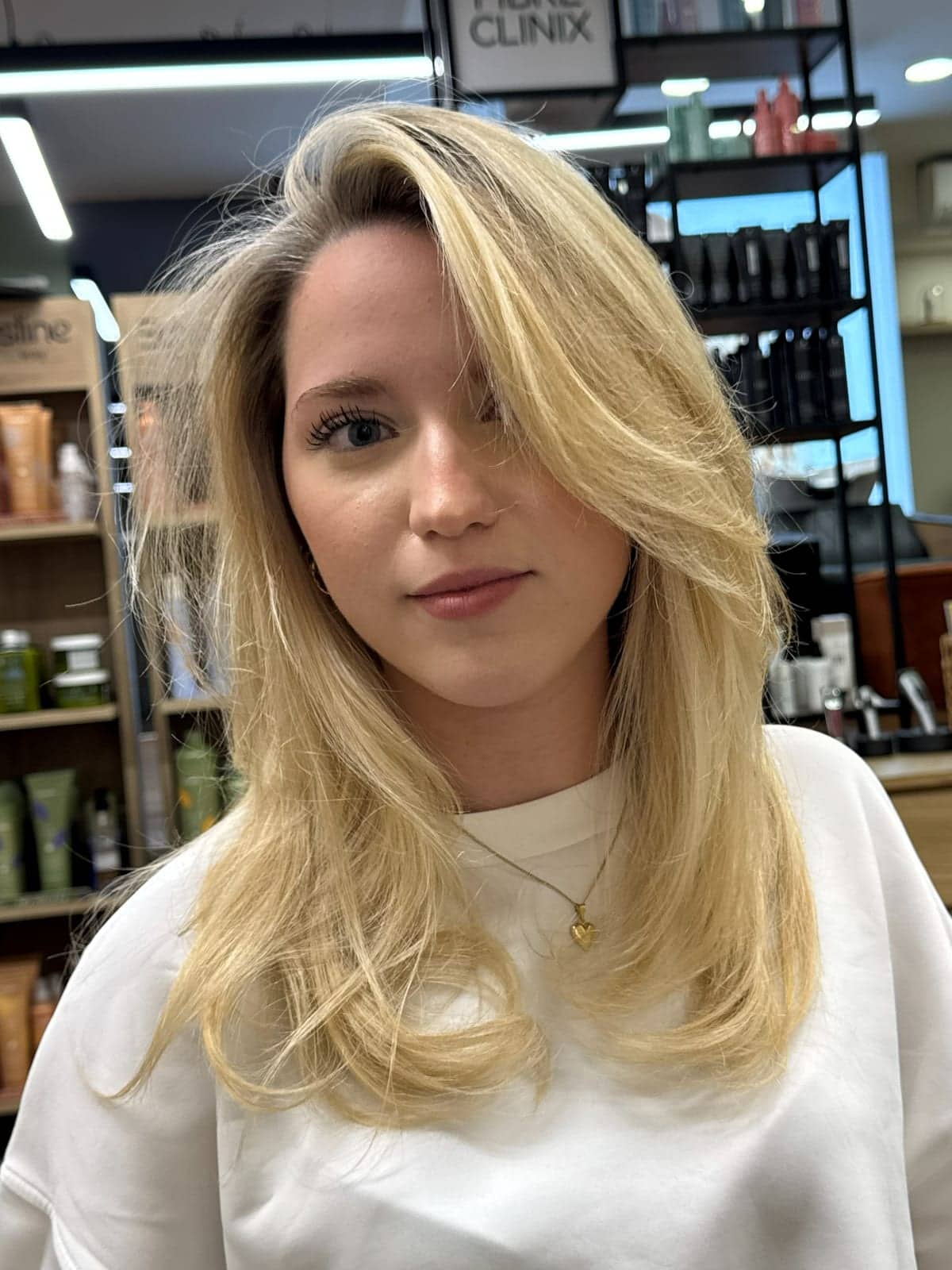
Ombre comes from the French word for “shaded,” and it splits the hair into two color zones. The top stays natural or dark, the color lightens from about mid-length, and the ends are the lightest part. Even when the blend is smooth, the eye reads one dark zone and one light zone.
That makes ombre a strong, high-contrast look that reads clearly in photos. The classic version runs from deep brown roots to honey or beige ends and shows best on long, straight or loosely wavy hair. Because the ends are lightened the most, dry or damaged ends usually call for a trim or a treatment first.
What is sombre, and how is it different from ombre?
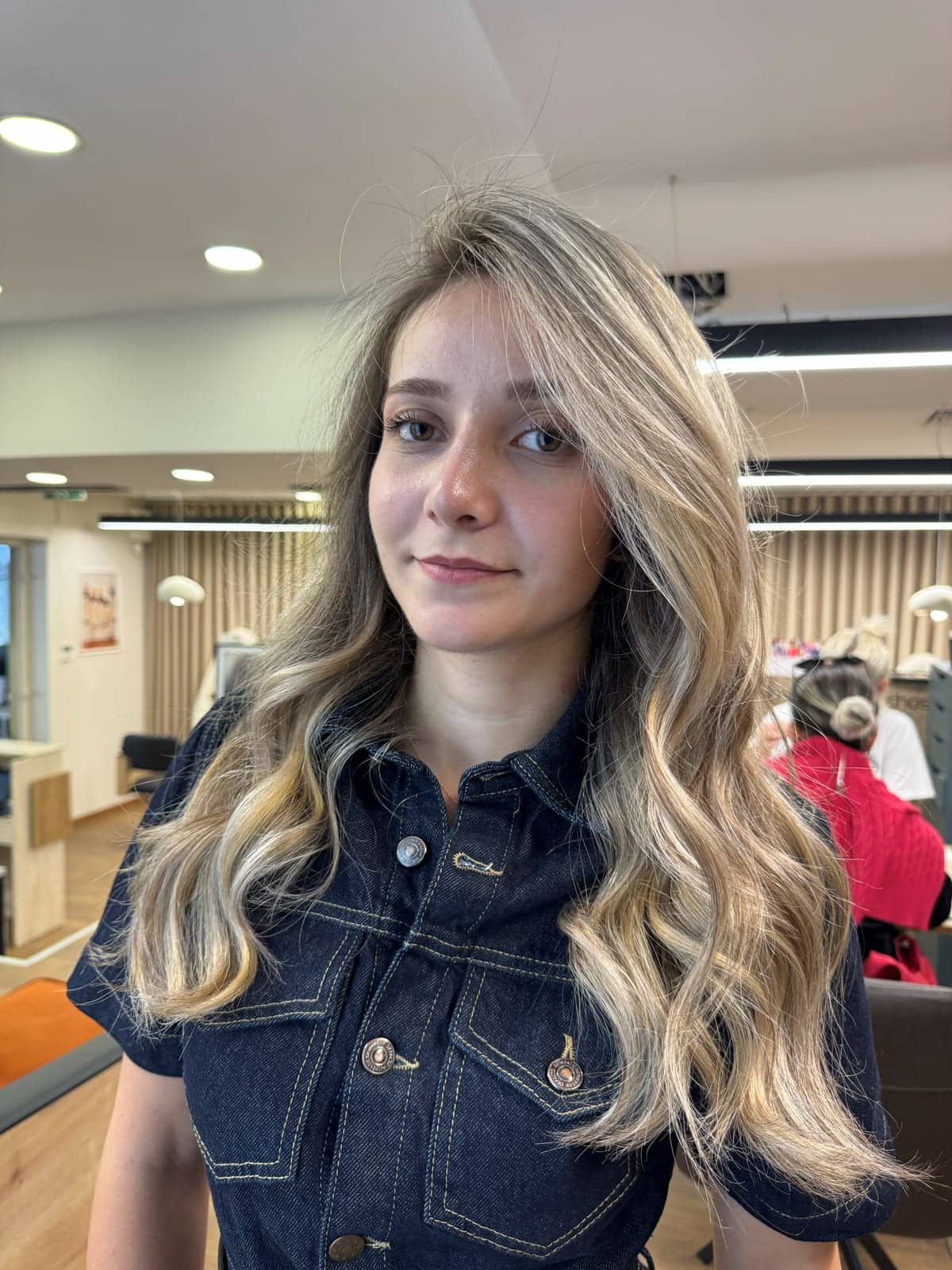
Sombre (often written sombré) is short for “soft ombre.” The color still lightens from top to bottom; the difference is how far and where. Ombre usually has a clear gap between root and end. In sombre, the shift stays within a few shades and starts higher and more diffused, so the hair looks sun-lightened rather than colored.
Sombre is a common first step for anyone trying color for the first time, anyone who wants something understated for work, and anyone who dislikes a visible regrowth line. With less contrast, it also looks good for longer as it fades.
- Ombre: high contrast, two distinct color zones, the lightest shade at the ends
- Sombre: low contrast, a few shades of difference, a blend that starts higher and softer
- Both keep the roots close to your natural color, so neither needs touch-ups as often as root color
Balayage vs. ombre: a band of color or scattered light?
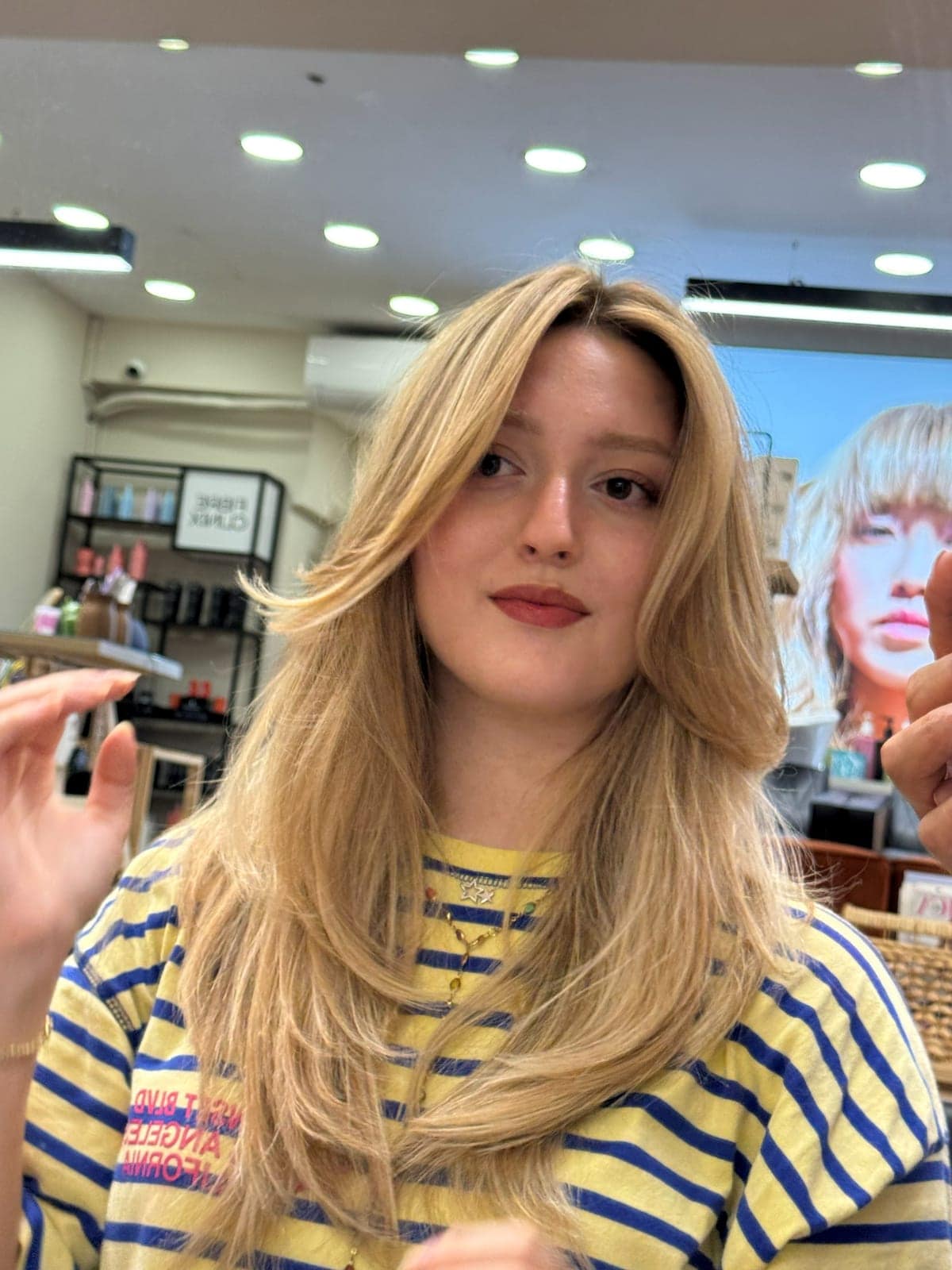
Ombre and sombre describe a result. Balayage, from the French for “to sweep,” describes a technique: lightener is painted freehand onto selected strands in vertical strokes. Instead of a horizontal band, the light is scattered strand by strand with natural color left in between, so the hair looks deeper and moves more.
That makes balayage more personal than ombre: light can go around the face, on the ends of layers or wherever your hair naturally falls. Many sombre looks are in fact done with a balayage technique. For something bolder, block balayage lightens wider sections instead of fine strands, often in face-framing pieces at the front, for a graphic, high-contrast effect.
Where does Air Touch fit in?
Air Touch is a balayage technique. Once a section is taken, it is blown with a hairdryer: the short and broken hairs fly back, and lightener goes only on the long strands that remain. There are no brush marks and no visible starting point, so the blend is as soft as balayage gets.
In other words, Air Touch pairs the natural look of sombre with the scattered light of balayage, and the roots grow out without a hard line. At Emrahair, Air Touch balayage is done by Emrah Çabkur. You can read how the appointment works on our balayage and Air Touch page.
Sombre on black hair: which option works best?
Most Turkish hair is dark brown to near black and carries a warm, red-orange underlying pigment. As dark hair lifts, it passes through red, then orange, then yellow. So on black hair, how the warmth that shows up along the way gets toned matters as much as the shade you are aiming for.
Sombre is usually the easiest place to start on black hair: ends a few shades lighter, in caramel, chocolate or honey brown, connect naturally to dark roots without overworking the hair. A pronounced ombre or beige-blonde ends mean lifting further. Hair that has had dark dye before may need the process split over several sessions, which is why it helps to plan it together with hair color and color change options.
Which one should you choose?
Three questions make the decision easier: how much contrast do you want, how often do you want to come back as your roots grow, and how much has your hair been colored or lightened before?
Every color service at Emrahair starts with a consultation. Your hair’s history, your skin’s undertone and the reference photos you bring decide which technique suits you. As a rough guide:
- For clear color that reads strongly in photos: ombre
- For a natural, low-maintenance blend nobody will call “dyed”: sombre
- For scattered light that brightens your face and adds depth: balayage
- For the softest blend and roots that stay natural for longest: Air Touch
- For a bold, graphic frame around the face: block balayage
Ombre, sombre and balayage prices
On the price list Emrahair publishes on Kolay Randevu, Air Touch balayage (Air Touch Balyaj) is 10,000 – 20,000 ₺, balayage (Balyaj) 10,000 – 20,000 ₺, sombre 8,000 – 15,000 ₺ and ombre 10,000 – 20,000 ₺. The range depends on length, density and previous color; the exact price is confirmed in the chair before the service starts.
Balayage, sombre and ombre are done by Emrah Çabkur and Serdar Sezer. You can see every color and care service on the full price list.
Frequently asked questions
What is the difference between ombre and sombre?
The difference is contrast and where the blend begins. Ombre has a clear gap in tone between dark roots and light ends, so the hair looks like two color zones. Sombre is soft ombre: the shift stays within a few shades and starts higher and more diffused, so the color looks sun-lightened.
What is the difference between balayage and ombre?
Ombre is a result: hair that lightens horizontally from top to bottom. Balayage is a technique in which lightener is painted freehand, in vertical strokes, onto selected strands, so the light is scattered with natural color in between. That is why balayage looks deeper and moves more, while ombre looks sharper and higher in contrast.
Can you do sombre on black hair?
Yes, sombre is a popular starting point on black and dark brown hair. The ends are lifted a few shades into caramel, chocolate or honey brown and connect naturally to the dark roots. Because dark hair turns warm as it lifts, toning is a key part of the result, and previously dyed hair may need more than one session.
What is block balayage?
Block balayage is a type of balayage in which lightener goes on wider sections of hair instead of fine strands. The light shows as distinct blocks rather than scattered strands, most often in face-framing pieces at the front. It gives a bolder, more graphic result than classic balayage.
Let’s talk it through at the salon
We’ll decide on the right treatment for your hair at the consultation. Choose your service, then confirm the date and time on Kolay Randevu.